We often approach the Bible like a tame garden, well-manicured, predictable, and safely fenced off from the "weirdness" of the ancient world. We’ve been conditioned by centuries of modern rationalism to treat the Scriptures as a collection of moral aphorisms or a systematic checklist for legal standing. But what if we’ve been reading it in a sanitized silo? What if the biblical authors were actually operating within a "wild" and ancient reality that we’ve largely forgotten?
For many of us, entering the world of Dr. Michael S. Heiser is like putting on a pair of corrective lenses after a lifetime of squinting. Heiser, a scholar who spent decades immersed in the Semitic languages and the literature of the Second Temple period, didn't just teach us how to study the Bible; he invited us to see it through the Deuteronomy 32 Worldview. He dared to suggest that the supernatural elements we often explain away are not bugs in the system: they are the system.
1. The Divine Council: Breaking the Monolithic Silo
One of the first paradigms Heiser shatters is our modern, "tame" understanding of monotheism. In our contemporary Conservative Evangelical Theology, we often assume that "monotheism" means the biblical writers didn't believe other spiritual beings existed. We’ve turned the spiritual world into a binary: there is God (the big one) and then there are angels (the little ones who deliver messages).
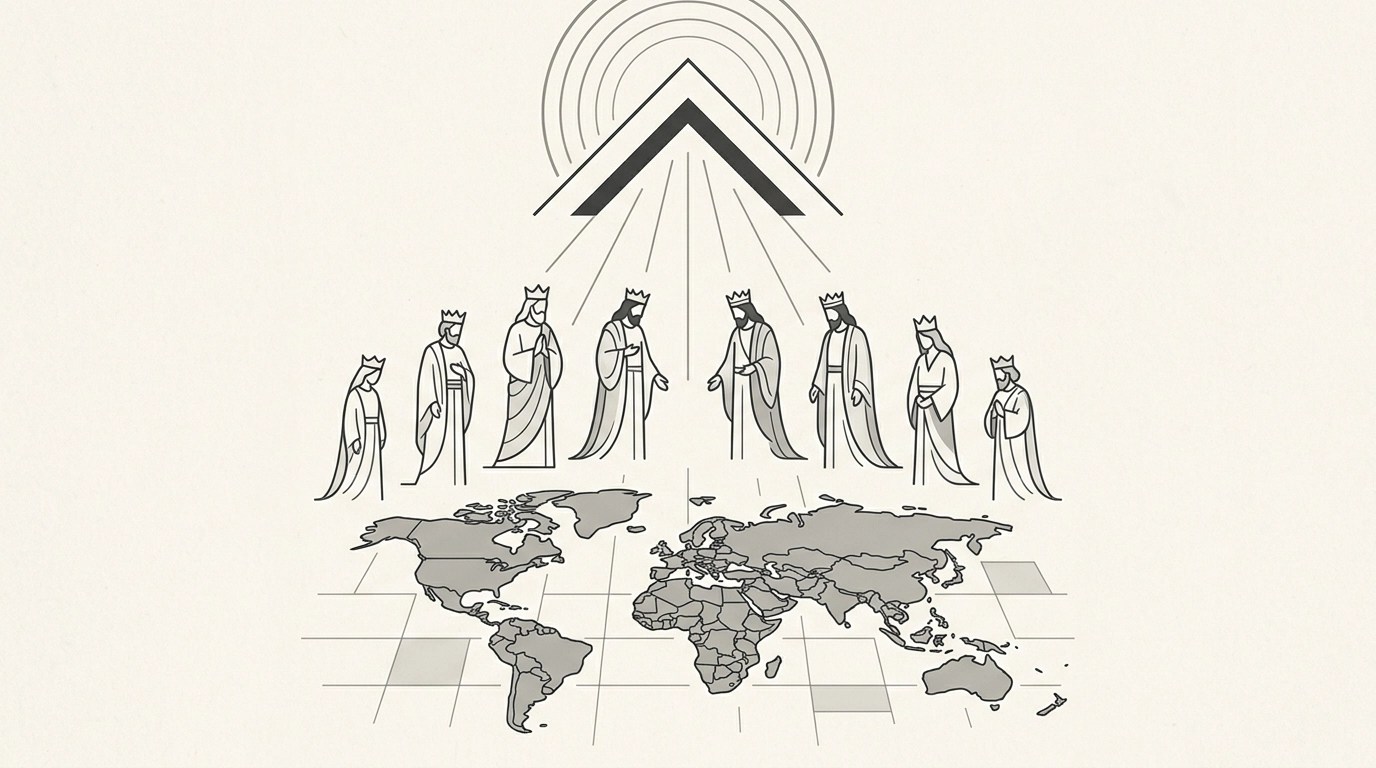
However, when we look at the text through an ancient interpretive horizon, we find a much busier heavenly realm. Heiser pointed us toward the Divine Council. In passages like Psalm 82 and Job 1, we encounter the elohim: a term that doesn't just refer to the one true God, but is a place-of-residence marker. An elohim is a being who belongs to the spiritual realm.
Thesis: There are many "elohim," but only one Yahweh. He is unique, uncreated, and supreme, yet He governs through a council of supernatural peers.
By acknowledging this, we move away from an anthropocentric view where the universe is just us and a distant God. We realize that the "sons of God" are real players in the cosmic drama. This isn't polytheism; it’s a celestial hierarchy. When we ignore this, we treat the Bible like a "literary leper," cutting off the parts that feel too supernatural or "weird" for our modern sensibilities.
2. The Cosmic Divorce at Babel
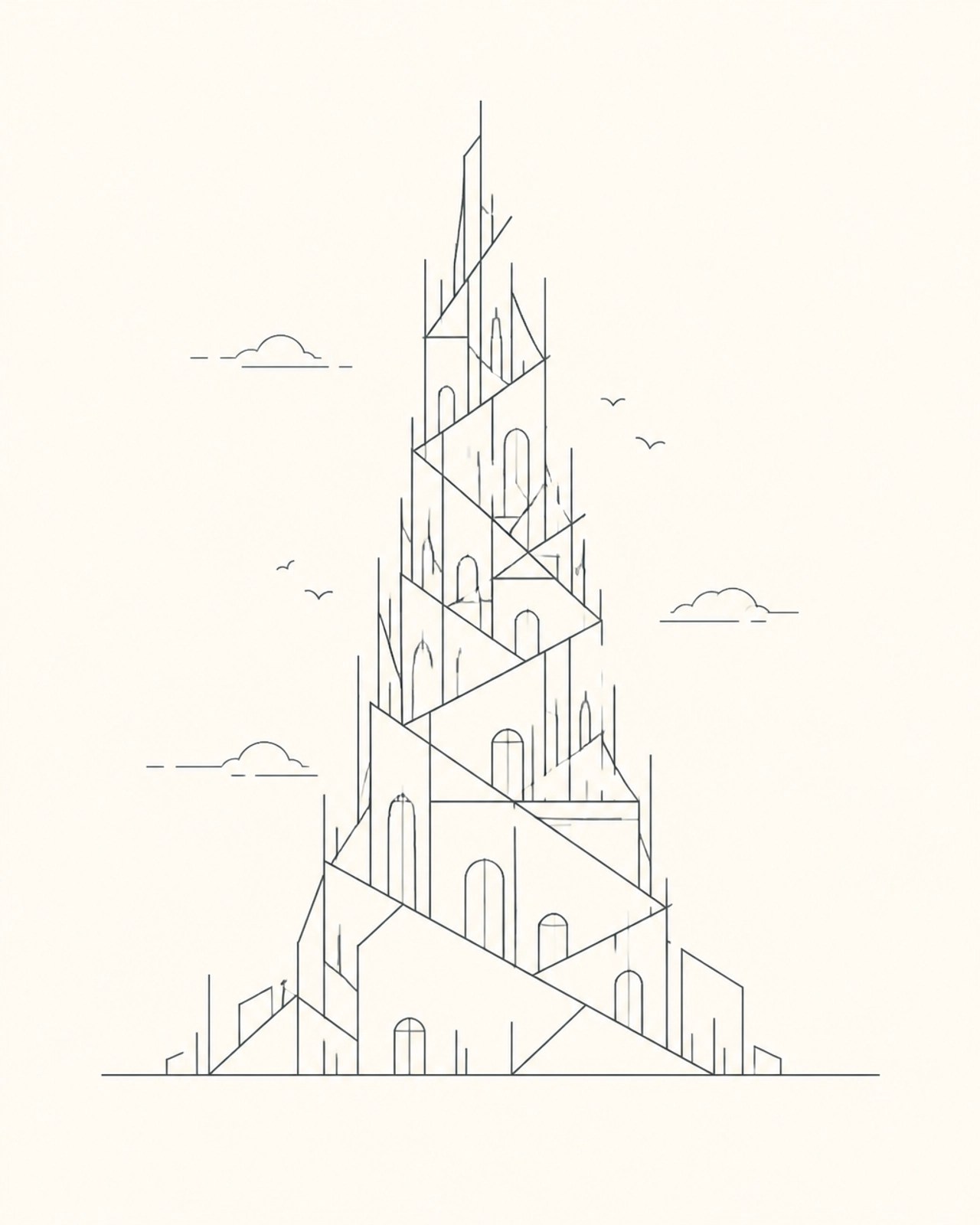
The turning point for understanding the Old Testament narrative lies in what Heiser identifies as the Deuteronomy 32 Worldview. Most of us grew up hearing the story of the Tower of Babel as a tale about pride and why we have different languages. It’s a nice Sunday School lesson. But the ancient reality is far more "wild."
In Deuteronomy 32:8–9, the text tells us that when the Most High gave the nations their inheritance and divided mankind, "he fixed the borders of the peoples according to the number of the sons of God" (ESV). This was a cosmic divorce. Because of humanity’s persistent rebellion, Yahweh disinherited the nations. He turned them over to the administration of lesser divine beings: the members of His Divine Council.
This is the pivotal moment that explains the rest of the Bible. While the other nations were handed over to these elohim, Yahweh chose one man, Abraham, to start a new nation: Israel. Israel was Yahweh's portion.
This creates an immediate "turf war." The "gods" of the nations weren't just metaphors for wood and stone; they were rebellious spiritual entities who, according to Psalm 82, became corrupt and demanded worship. Suddenly, the wars in the Old Testament aren't just tribal skirmishes; they are the frontline of a supernatural conflict. The Bible is a story of Yahweh reclaiming the nations that were lost at Babel.
3. Reclaiming the "Weird" as a Feature
If you are a Non-Cessationist Evangelical, Heiser’s work provides the intellectual air you’ve been gasping for. For too long, we have tried to fit a supernatural book into a materialistic box. We treat the bizarre parts of the Bible: the Nephilim, the "giants" in the land, the cosmic language of the prophets: as embarrassing relics of a pre-scientific age.
Heiser argued that the "weirdness" is the point. When we encounter the Nephilim in Genesis 6 or the Rephaim in the conquest narratives, we aren't looking at biological anomalies; we are looking at the incursions of the supernatural realm into the physical. These are "intellectual air" for the biblical writers: the atmosphere they breathed.
Sin is an infection, not just an error.
If we don't take the supernatural seriously, we miss the depth of the problem. The Fall wasn't just a legal infraction in a garden; it was a cascading series of rebellions: in Eden, in the days of Noah, and at Babel. Our redemption, then, isn't just about a "get out of jail free" card. It is about a Supernatural Worldview where Christ’s victory on the cross disarms the principalities and powers (Colossians 2:15) and paves the way for our own "glorification": the moment we take our place as members of God’s household and council.
4. From Legalism to Cosmic Narrative
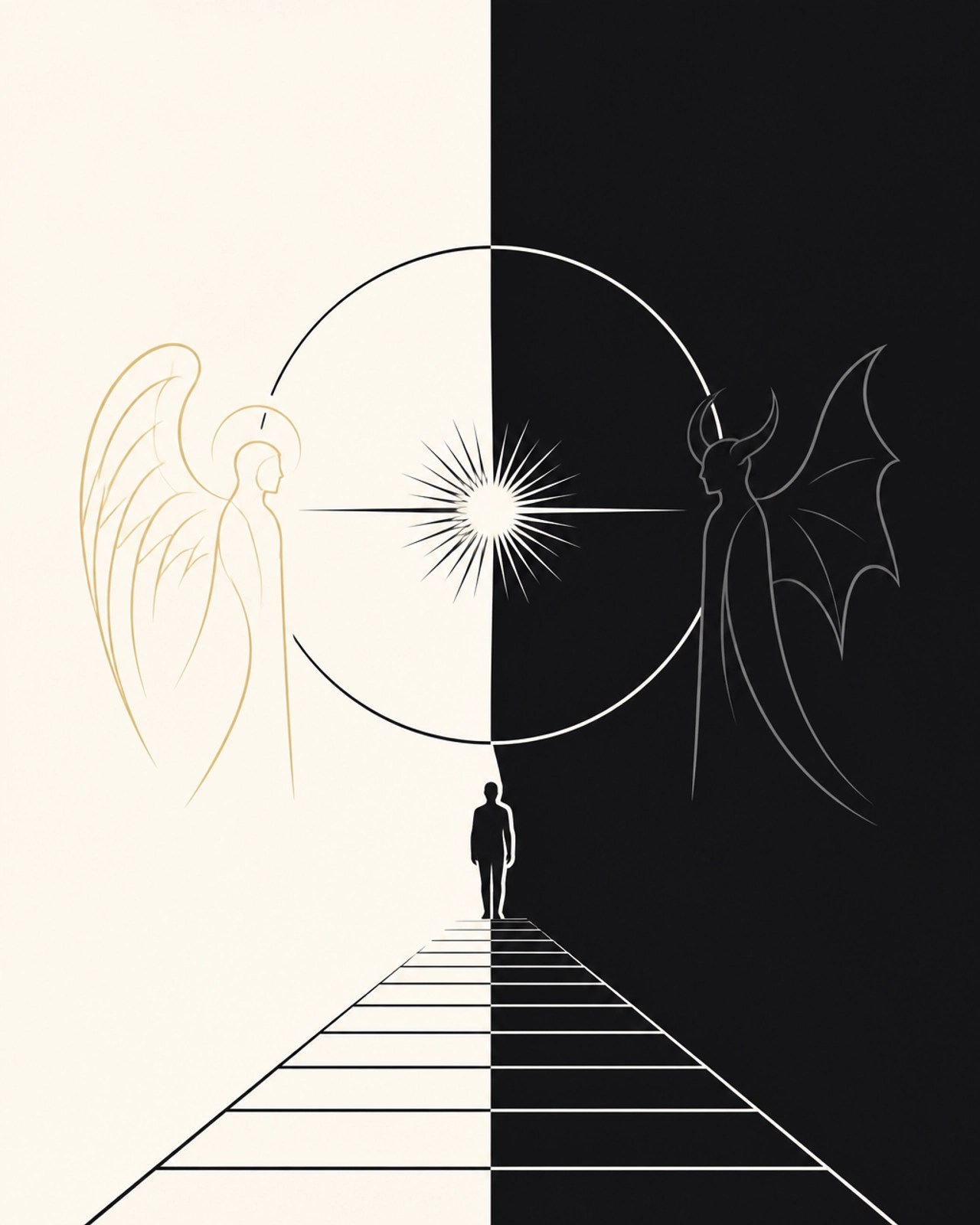
Perhaps the most transformative aspect of Heiser's scholarship is how it shifts us away from a "siloed" view of salvation. In many circles, the Gospel is reduced to a purely forensic transaction: You broke the law, Jesus paid the fine, you go to heaven. While there is truth in that, it is an inextricably narrow view.
Through the lens of the Divine Council and the Deuteronomy 32 Worldview, the Gospel becomes a cosmic rescue mission. When Jesus stands on the Mount of Transfiguration or sends out the seventy disciples (symbolizing the seventy nations of Babel), He is signaling the end of the disinheritance. He is taking back the world.
We are not just saved from hell; we are saved into a family. We are "co-heirs" with Christ. This isn't just fluffy language; it means we are being prepared to rule and reign alongside Him. The "weird" promise in 1 Corinthians 6:3 that "we will judge angels" finally starts to make sense. We are the new council.
A Shared Journey of Discovery
As we dive into these concepts, we must ask ourselves: Are we willing to let the Bible be what it is? Or will we continue to force it to be what our modern, rationalistic paradigm demands? Reading Heiser is uncomfortable because it forces us to confront the fact that our "scientific" world is actually much thinner than we think.
We have spent so much time trying to make the Bible "relevant" by stripping it of its ancient context. In doing so, we have made it boring. But the Bible isn't boring. It’s an epic of cosmic proportions involving rebellious gods, hidden realms, and a Creator who will stop at nothing to bring His children home.
If you want to go deeper into why we need to embrace the strangeness of the text, take a look at our previous discussion on why the Bible needs to get weird again.
The journey into the Unseen Realm is not for the faint of heart, but it is the only way to see the beauty of the story in its full, technicolor glory. It’s time to stop reading a tame Bible. It’s time to step into the wild.
Theses for the Supernatural Worldview:
- The Divine Council is the administrative assembly of spiritual beings through which God governs the universe.
- Deuteronomy 32:8-9 explains why the nations are currently under the influence of darkness and why Israel (and now the Church) is unique.
- The Gospel is the announcement that the disinheritance of the nations has ended through the work of Christ.
- Believers are not just servants; they are being groomed to take their place in the heavenly family and council.
Leave a Reply