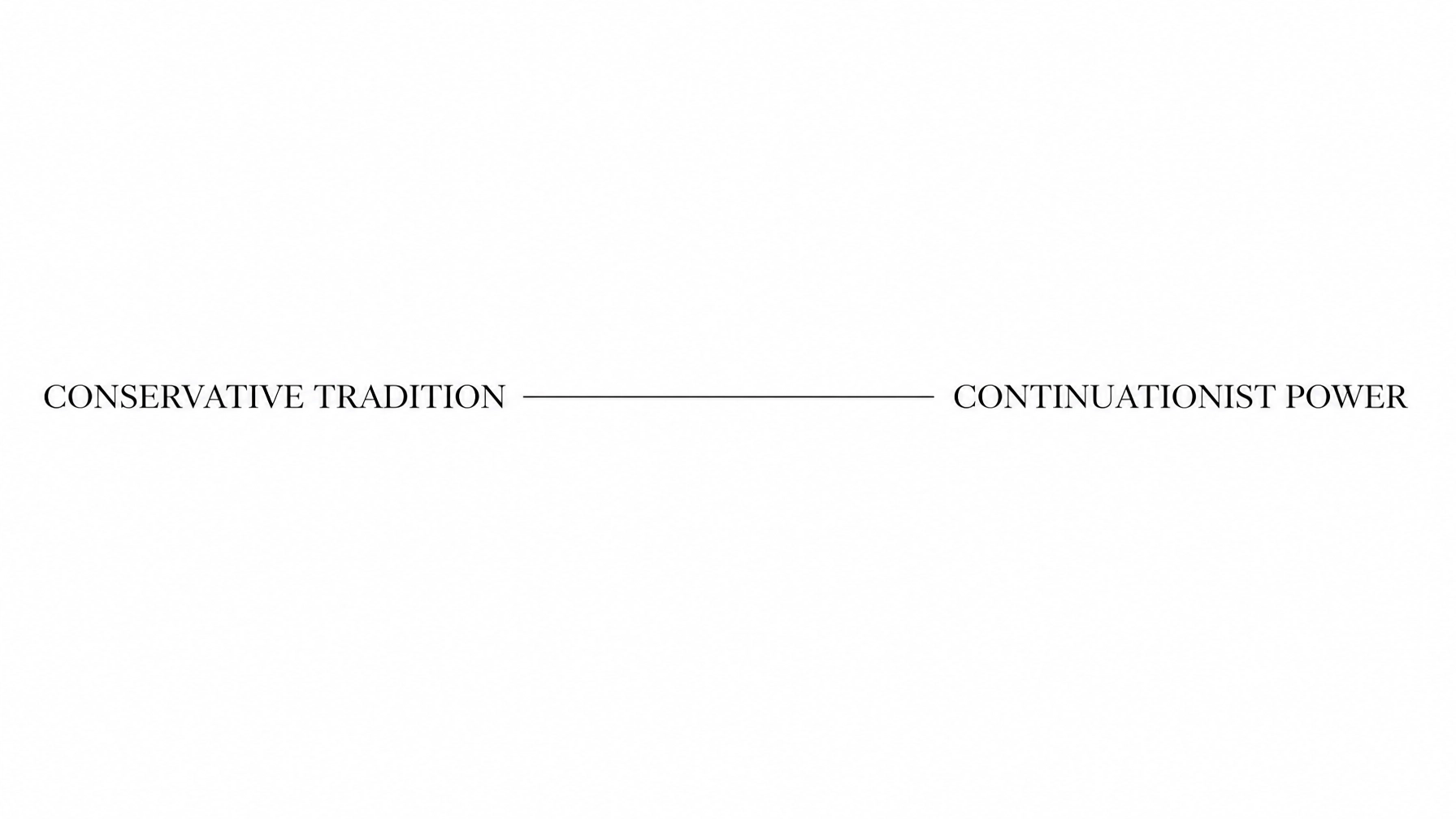
For decades, we have been conditioned to believe that we must choose between two mutually exclusive silos. On one side stands the fortress of Conservative Evangelical Theology: a world of rigorous exegesis, doctrinal precision, and a high view of Scripture, but often characterized by a "tame" and predictable cessationism. On the other side lies the "wild" landscape of the charismatic movement, filled with an expectancy for the miraculous but frequently critiqued for its lack of theological grounding.
We have lived as if there is a chasm between the mind and the Spirit, between the Word and the Power. But what if this binary is an artificial construct of the Enlightenment? What if the very theological commitments that make us conservative, our devotion to the authority of Scripture and the sovereignty of God, are the very things that should lead us to expect the supernatural?
Let's call this The Bridge. It is the path that integrates a Continuationism perspective into the heart of a robust, conservative framework. It is not a compromise; it is a homecoming.
1. Deconstructing the Tame: The Modern vs. Ancient Reality
The first step across The Bridge requires us to acknowledge a difficult truth: much of our modern conservative theology has been "tamed" by a naturalistic paradigm. We often approach the biblical text with an unspoken assumption that the supernatural was a temporary scaffolding, necessary for the founding of the church but discarded once the canon was closed.
This view suggests that the "weird" elements of the Bible: the divine council, the territorial spirits, and the active charismata, are bugs to be explained away rather than features to be explored. We have traded the vibrant, cosmic narrative of the ancient world for a sterilized, propositional system.
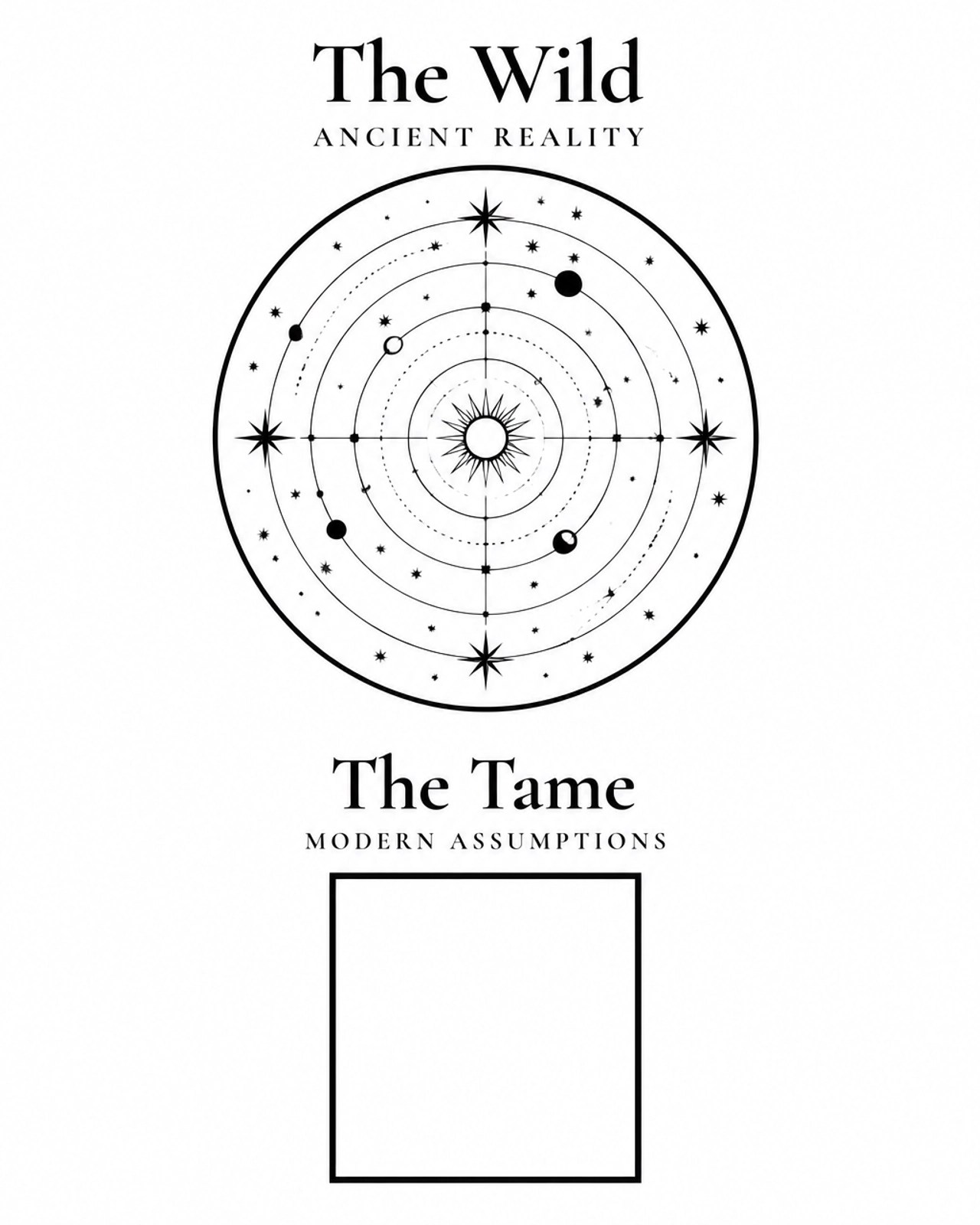
When we look at the Deuteronomy 32 Worldview, we see a reality that is far more complex and interactive than modern cessationism allows. In this ancient framework, God’s disinheritance of the nations at Babel and the subsequent assignment of those nations to lesser divine beings is the interpretive horizon for the entire biblical story. The Great Commission is not just a recruitment drive; it is a cosmic reclamation project.
Thesis: We must stop treating the supernatural as a historical curiosity and start treating it as an ongoing reality.
2. The Supernatural Worldview: Our Interpretive Horizon
If we are to be truly Non-Cessationist Evangelicals, we must allow the Bible’s own supernatural assumptions to shape our world. This means embracing what scholars like Dr. Michael Heiser have termed the "Unseen Realm." It is the realization that the war we are in is inextricably linked to a spiritual hierarchy that did not vanish at the end of the first century.
Consider the "Sign Gifts" (tongues, prophecy, healing). In a tame theology, these are "evidence" used to "authenticate" the apostles. Once the apostles are gone, the evidence is no longer needed. But in a Supernatural Worldview, these gifts are not merely proofs; they are weapons and tools for a church operating in occupied territory.
- Prophecy is not just about the future; it is about hearing the counsel of God in the present.
- Healing is not just a spectacle; it is a physical manifestation of the Kingdom’s advance.
- Deliverance is not a relic; it is the enforcement of Christ's victory over the disinherited nations.
You cannot have a "biblical" worldview that removes the very elements the biblical authors took for granted.
3. Theological Guardrails: Strengthening The Bridge
Integrating these "wild" realities into a conservative framework requires more than just enthusiasm; it requires structural integrity. This is where the work of theologians like Wayne Grudem and Sam Storms becomes vital. They provide the guardrails that keep The Bridge from collapsing into chaos.
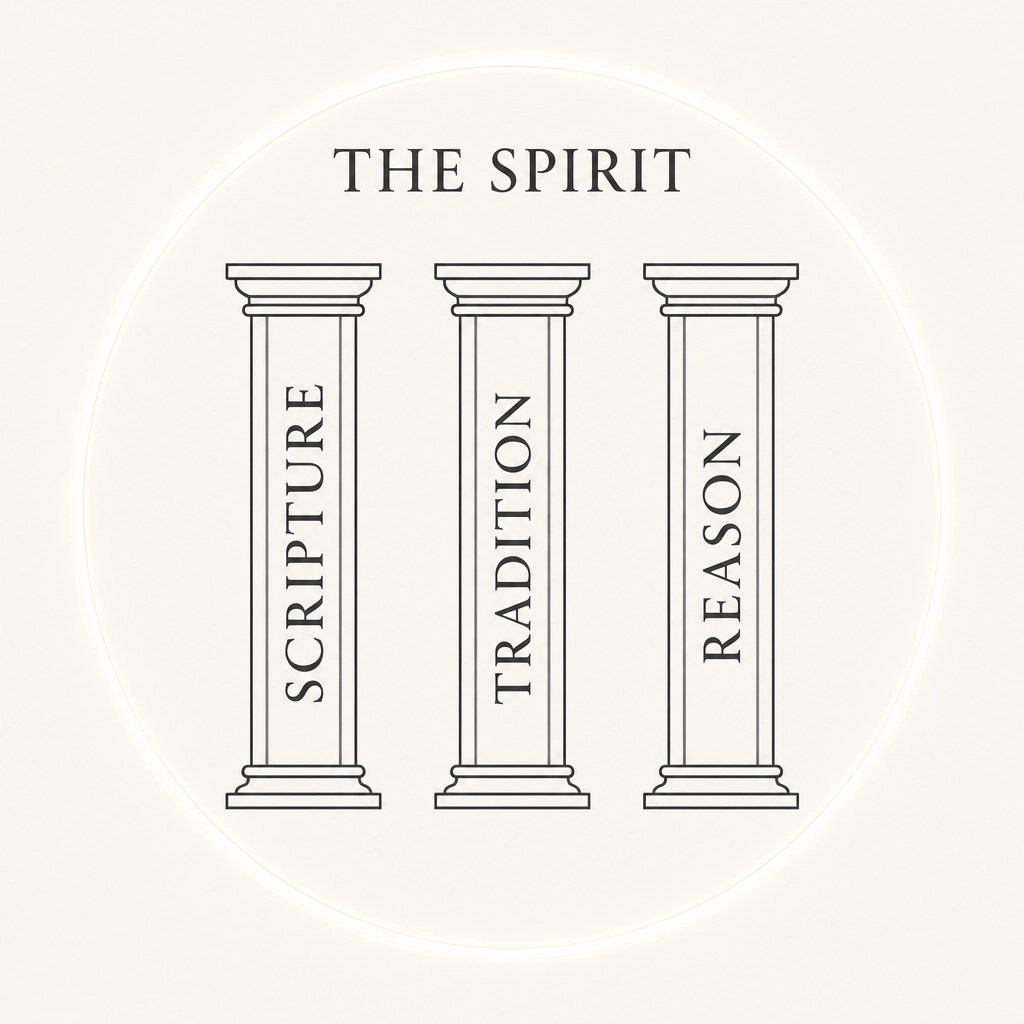
For the Conservative Evangelical, the supreme authority of Scripture is non-negotiable. Therefore, any integration of continuationism must uphold these three pillars:
- The Finality of the Canon: We do not believe in "new" revelation that adds to the Bible. Modern prophecy is fallible, non-canonical, and must be tested against the inerrant Word. As Grudem argues, prophecy today is a "report in human words of something that God has brought to mind." It is subordinate, not equal, to Scripture [1].
- The Sovereignty of God: The Spirit blows where He wishes. We do not "demand" miracles or "command" God. We ask with expectancy, but we submit to His providential timing.
- The Sufficiency of Christ: Spiritual gifts are never the end goal. They are signposts pointing to the person and work of Jesus.
Just as we view sin as a systemic corruption that requires a cosmic solution, we must view the Holy Spirit's power as the systemic antidote. It is the lifeblood of the church, not just a decorative accessory.
4. The Retro-Orthodox Retrieval: A Historical Case
Many conservatives fear that embracing the supernatural is a slide into modernism or emotionalism. A Retro-Orthodox approach, as championed by Michael J. Svigel, reveals that the "weirdness" we are seeking to recover was actually the standard experience of the early church.
When we look back at the immediate post-apostolic era, we don't find a sudden cessation of the gifts. Instead, we find a church that was deeply conscious of the spiritual realm. By retrieving the "consensual core" of early Christianity, we find that a non-cessationist stance is actually more "traditional" than the rigid cessationism of the last two centuries [2].
We are not inventing something new; we are excavating something old. We are rebuilding a bridge that was broken by the rationalism of the 18th century.
5. Crossing Together: The Shared Journey
So, how do you walk this out? It begins with a shift in posture. It requires moving from a position of "open but cautious" to "expectant and grounded" [3].
- You must be willing to let the Bible get weird again.
- You must be willing to pray for the sick and expect God to move, while also having the theological depth to handle it when He chooses a different path.
- You must integrate the "Word" and the "Spirit" into a single, unified expression of faith.
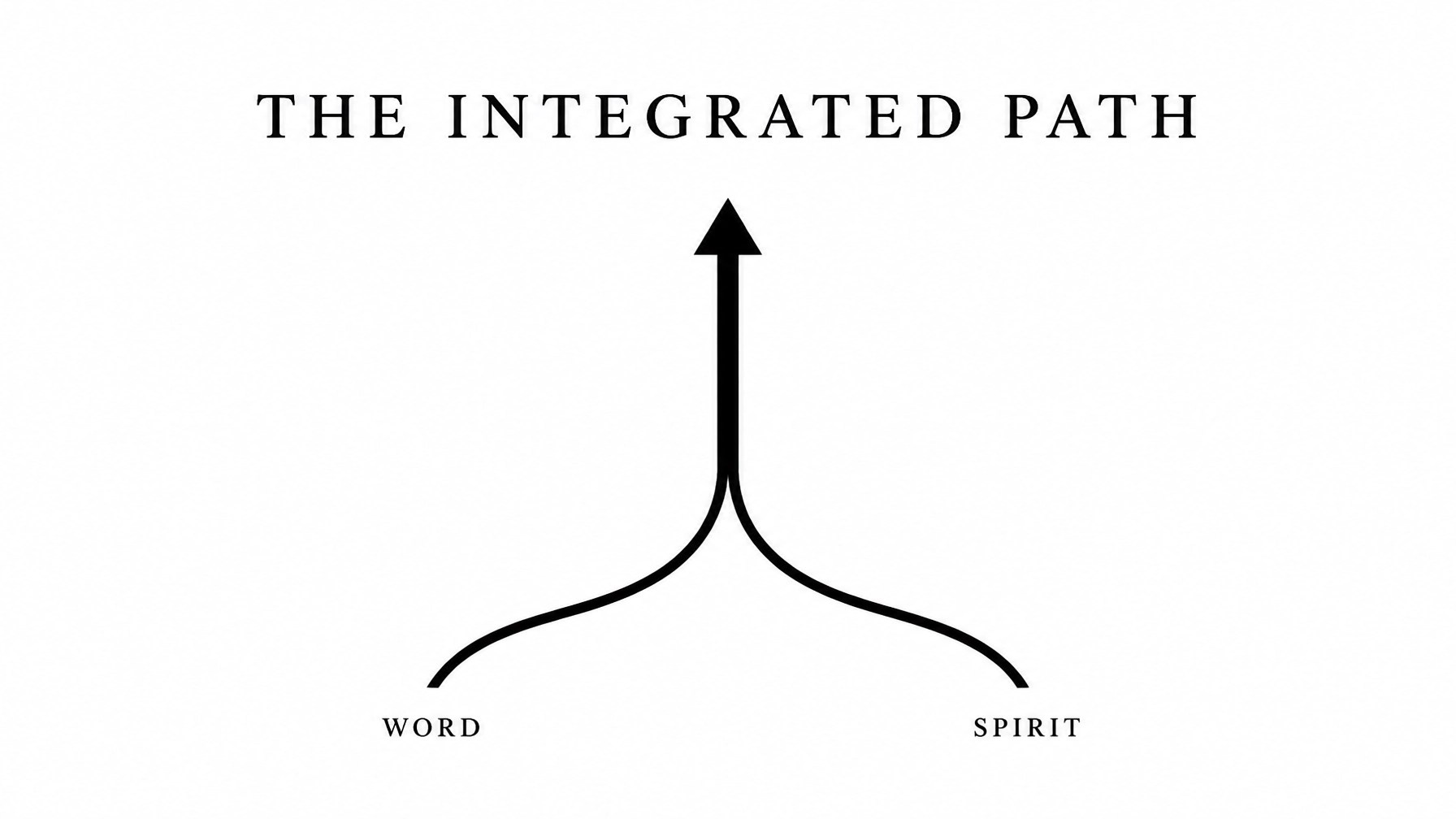
The Bridge is not a place to live; it is a way to move. It allows us to carry the rich heritage of the Reformation and the deep roots of the Early Church into a future where the supernatural is not feared, but welcomed as the natural byproduct of a living God.
We are traveling toward a cosmic narrative in which the church is not a museum of ancient history, but an embassy of a coming Kingdom. Let us cross together.
Footnotes
[1]: Wayne Grudem, Systematic Theology: An Introduction to Biblical Doctrine (Zondervan, 1994).
[2]: Michael J. Svigel, RetroChristianity: Reclaiming the Forgotten Heritage (Crossway, 2012).
[3]: Sam Storms, Practicing the Power: Welcoming the Gifts of the Holy Spirit in Your Life (Zondervan, 2017).
For more on "Sin is an infection, not just an error," see this Research Note.
Leave a Reply