
Few areas of the Bible are more misunderstood than apocalyptic literature. To a lot of modern readers, these texts feel strange because they are full of symbols, visions, heavenly scenes, and images that do not fit neatly into our ordinary categories. But in the Bible, this kind of writing is not random or meaningless. It is one of the ways God reveals what is really going on.
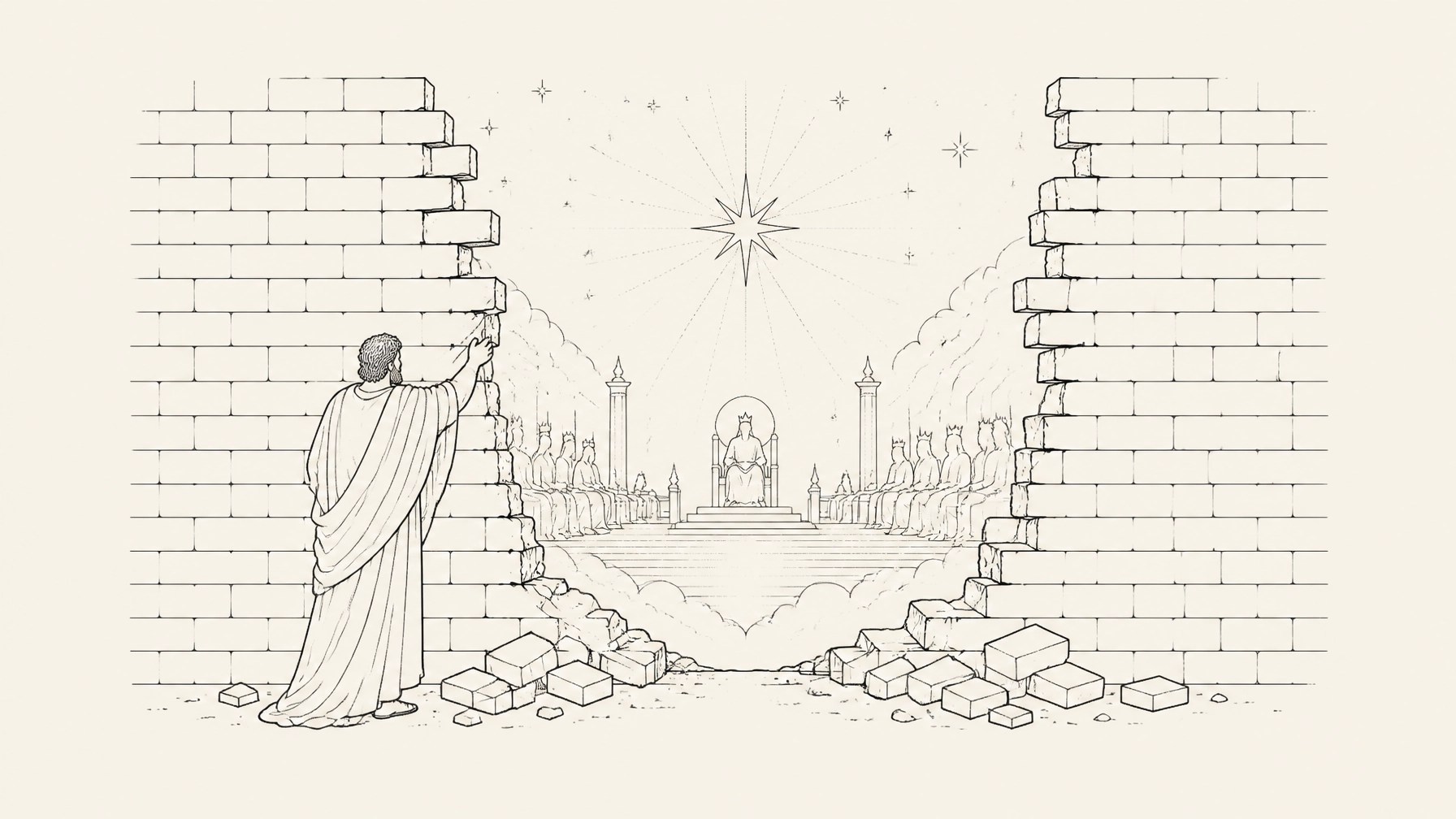
Apocalyptic literature is a unique form of biblical writing that uses visions, symbols, heavenly scenes, and prophetic imagery to reveal reality from God’s perspective. We find apocalyptic elements throughout Scripture, but they are concentrated primarily in books like Daniel, Ezekiel, Zechariah, parts of Isaiah, and especially Revelation.
For some, it becomes a giant codebook for modern headlines. Every political figure becomes the Antichrist. Every new technology becomes the mark of the beast. Every war becomes Armageddon. For others, apocalyptic passages are dismissed as symbolic nonsense that cannot really mean anything concrete at all. Both approaches miss the point. Biblical apocalyptic literature was not given to create panic, endless speculation, or theological entertainment. It was given to reveal reality from God’s perspective.
The word “apocalypse” comes from the Greek word apokalypsis, which means “unveiling” or “revelation.” The idea is not concealment; it is disclosure. God is pulling back the curtain so His people can see what is really happening behind the chaos of human history.
1. The World Behind the World: The Supernatural Perspective
One of the defining characteristics of biblical apocalypse is that it shows earthly events from a heavenly perspective. We usually look at history in terms of nations, rulers, wars, economics, and politics. Apocalyptic literature reminds us that Scripture presents another layer to reality as well.

Earth sees:
- empires
- politics
- persecution
- military power
- economic systems
Heaven sees:
- spiritual rebellion
- divine judgment
- cosmic warfare
- the sovereignty of God over history
Daniel is one of the clearest examples. Persia is not merely Persia. Greece is not merely Greece. Behind earthly kingdoms are spiritual powers operating in rebellion against God. Daniel 10 makes this explicit with the “prince of Persia” and the “prince of Greece.”
This is one reason the work of Michael Heiser has been helpful for many readers. His emphasis on the Deuteronomy 32 worldview and the Divine Council helps explain why biblical writers regularly describe history as both earthly and spiritual at the same time. That framework does not replace the text. It helps us notice what is already there.
The Bible presents evil as more than a human problem. There is a real spiritual dimension to history.
2. Deciphering the Imagery: Symbols That Mean Something
Apocalyptic literature uses vivid imagery: beasts, horns, dragons, stars, lampstands, and cosmic disturbances. But these symbols are rarely arbitrary. They are not a Rorschach test where you can see whatever you want. Most of them come directly from the Old Testament.
This is where many modern interpretations go wrong. People often try to interpret Revelation with a smartphone in one hand and a news feed in the other while largely ignoring Daniel, Ezekiel, Zechariah, and Isaiah. But Revelation assumes you already know those books. The beast imagery in Revelation grows directly out of Daniel 7. The New Jerusalem is tied to Ezekiel’s temple imagery. The cosmic judgment language echoes Isaiah and Joel. Babylon reaches all the way back to Genesis 11.
Without the Old Testament, Revelation becomes almost impossible to interpret responsibly. We should not treat each prophetic book like a disconnected puzzle. The Bible is telling one larger story from beginning to end.
3. Symbolic Does Not Mean Unreal
Some readers assume that because apocalyptic literature uses symbolism, it therefore refers to nothing concrete. That does not work. The American flag is symbolic, but it refers to a real nation. In the same way, biblical symbols point to real kingdoms, real rulers, real judgments, and real future events.
At the same time, we also have to avoid the trap of hyper-literalism. Revelation’s dragon is not a lesson in zoology. John is communicating theological truth through visionary imagery. The question is not, “What would this look like on live television?” The question is, “What reality is being revealed through the symbol?”
When we see images of plagues, beasts, or cosmic collapse in apocalyptic texts, they are communicating something real that ordinary prose cannot express as powerfully.
4. Beyond Tomorrow’s Headlines
Every generation thinks it has finally cracked the code. People have identified the beast with everyone from Nero and Napoleon to modern political figures, barcodes, and artificial intelligence. Most of these interpretations age terribly because they are rooted in the anxieties of the moment rather than the structure of the text.
Good interpretation starts with the text itself:
- Old Testament background
- Literary context
- Historical audience
- Theology
- Then future implications
This does not mean biblical prophecy has no future fulfillment. I absolutely believe it does. But the text must shape our interpretation, not our fears. When we obsess over headlines, we often miss what the text is actually saying.
5. The Purpose of Apocalypse: Endurance
This is probably the most important point. Revelation was written to churches under pressure. Daniel was written in the context of exile and pagan empire. These books were given to strengthen believers living in hostile environments.
The message is not: “Try to decode every headline.”
The message is: “Remain faithful because God is sovereign.”
The beast is temporary. Babylon falls. The Lamb reigns. This is the heartbeat of biblical apocalypse. It reminds us that God has not lost control of history.
6. Beastly Kingdoms
One of the striking patterns in apocalyptic literature is that human empires are consistently portrayed as beasts. Why? Because power detached from God eventually dehumanizes both rulers and societies.
Whether it is Egypt, Babylon, Persia, or Rome, the implication is uncomfortable but vital: no earthly kingdom fully represents the Kingdom of God. Christians should be cautious whenever political movements demand ultimate allegiance, ultimate trust, or ultimate fear. The Bible reserves those things for God alone. When a system asks for what only belongs to the Creator, it becomes "beastly."
7. The Center of the Vision: The Lamb
Many people become obsessed with the Antichrist, timelines, charts, and conspiracy theories. Meanwhile, the central figure of Revelation is standing right there in chapter one.

The glorified Christ. The Lamb. The King. The faithful witness. The ruler of the kings of the earth. Revelation is not fundamentally a book about the Antichrist; it is a book about the victory and reign of Jesus Christ over every rebellious power in heaven and on earth. Miss that, and the whole book gets distorted.
Final Thoughts
Apocalyptic literature exists because appearances deceive us. Empires look permanent. Evil looks victorious. The righteous look weak. History looks chaotic.
Apocalyptic literature says: Look again.
Behind the chaos stands the throne of God. That is why Revelation begins not with beasts, but with Christ walking among His churches. The message to believers then and now is the same: stay faithful. The Lamb wins.

Leave a Reply